

Depth of the Problem
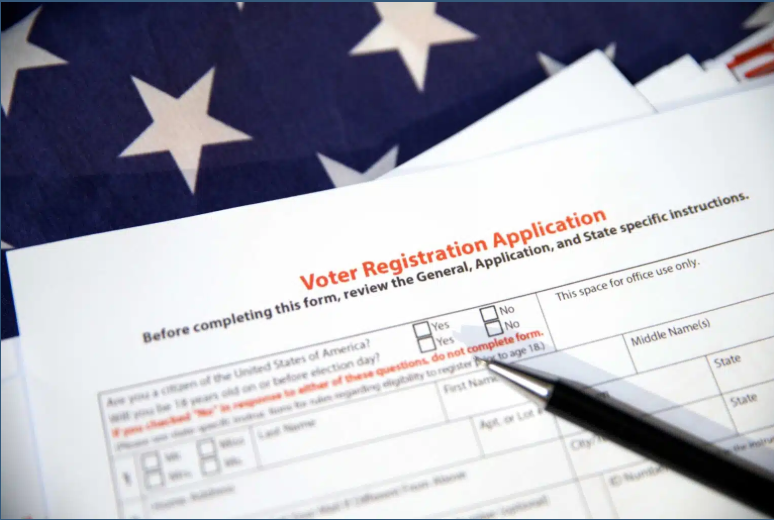
While the confirmed numbers are small relative to New Jersey’s 6.7 million registered voters, the mechanics exposed clear vulnerabilities in automatic voter registration. IDEMIA maintains it accurately transmitted the “no” citizenship responses and that the Division of Elections bore responsibility for final verification. Republicans, led by NJ GOP Chairwoman Christine Giordano Hanlon, report that the issue extends beyond the one-year window. Hanlon's Election Integrity Task Force records show non-citizen registrations dating back years—some via paper forms—and cases of individuals who later self-reported and requested removal, or who had voted in multiple elections. Hanlon has called the pattern systemic rather than a one-off glitch. The gap between the state’s 6,600 figure and earlier DHS estimates of more than 35,000 potential non-citizen registrations remains unresolved.
Reactions
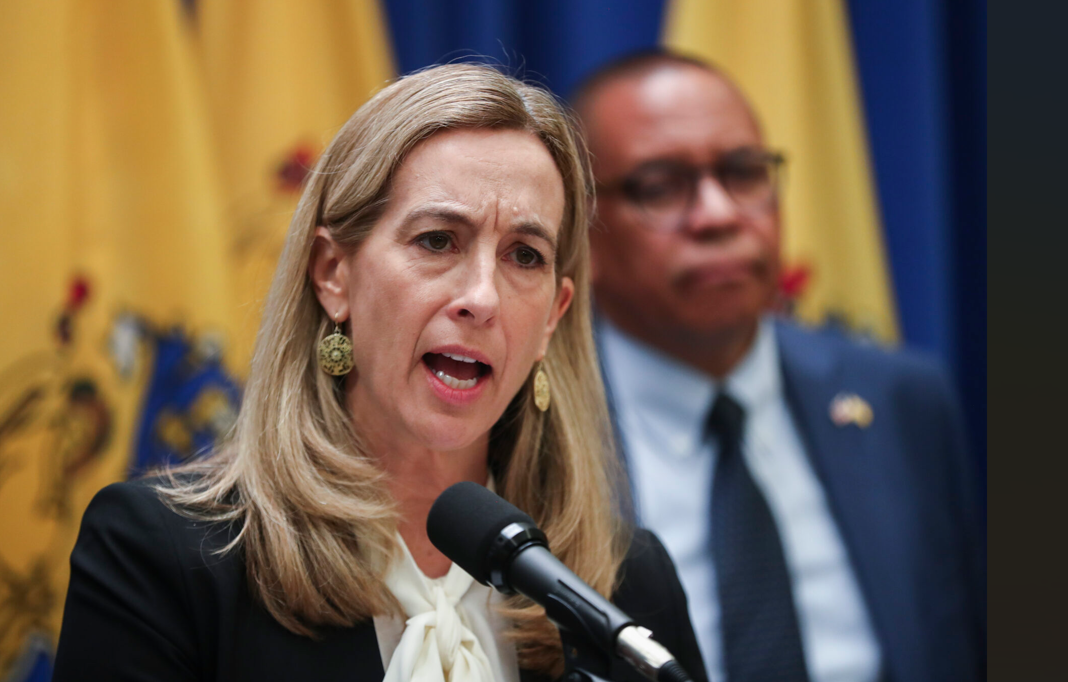
Sherrill has tried to frame her response as seeking accountability—investigate, fix, and disclose while Republicans demanded hearings with subpoena power, a full audit of the rolls, and suspension of parts of the motor-voter process. The Trump DOJ, through Assistant Attorney General Harmeet Dhillon, demanded detailed records on the 6,600 individuals and the 400 who voted, tying the request to its lawsuit for unredacted statewide voter data. DHS had already flagged 35,000 plus potential non-citizen registrations in New Jersey and more in three other states. In response, public support for the SAVE America Act requiring proof of citizenship has grown. IDEMIA limited its comments to New Jersey and has so far declined to address other states. Several states using IDEMIA reported no comparable problems after internal reviews.
Parallel Revelation from the NJ Judiciary
Compounding the concerns, the New Jersey Judiciary disclosed that on average approximately 75,000 non-citizens are summoned for jury duty each year. The figure, drawn from the same MVC, Division of Elections, and Taxation databases that feed voter rolls, accounts for roughly one-quarter of annual disqualifications. Court officials emphasize safeguards—questionnaires, videos, and judge questioning—prevent non-citizens from actually serving. Still, the volume highlights how deeply non-citizens appear in the state’s core administrative records used for citizenship-restricted civic duties.
Could the Problem Be More Widespread?
The New Jersey case raises questions about whether the vulnerabilities are isolated. IDEMIA is a major national provider whose systems often feed automatic voter registration. The company’s silence on other contracts, combined with NJ GOP evidence of earlier registrations and the 75,000 annual jury summonses from the same data pools, suggests data-matching shortfalls may not be unique. Federal DHS figures and the DOJ’s nationwide push for voter-roll access further fuels calls for broader audits.
For more information visit www.citizens4njei.org or email info@citizens4njei.org